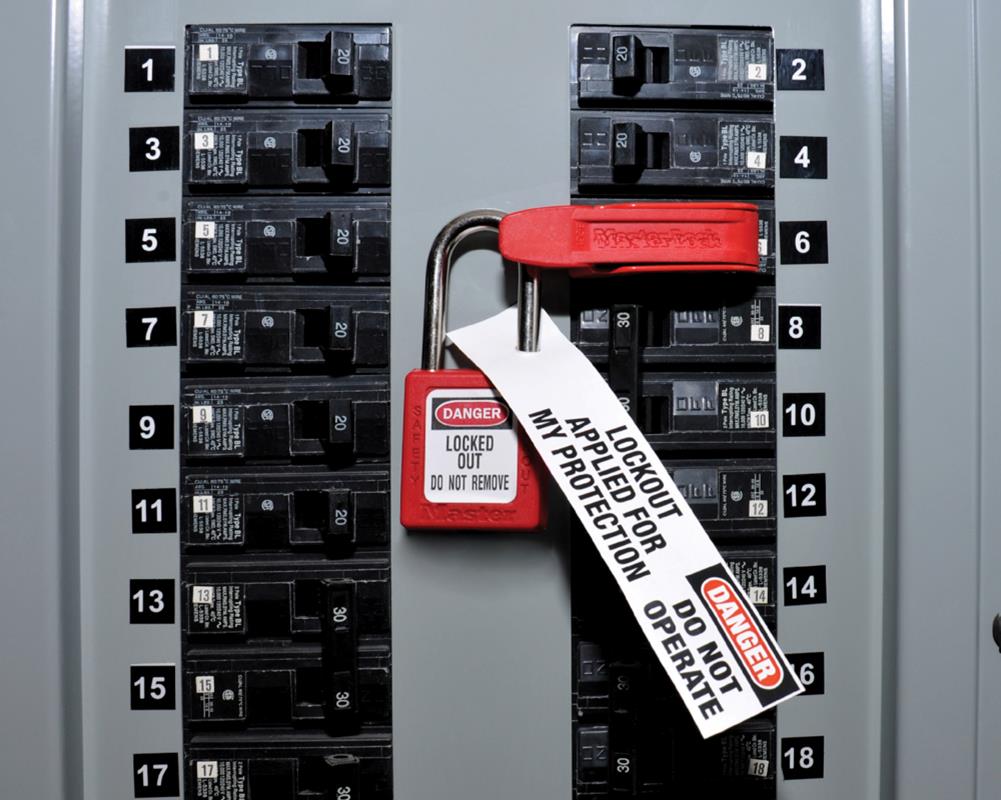
In high-risk industrial environments, a single misstep during maintenance can be catastrophic. One of the most preventable causes of equipment-related injury is the unexpected release of stored energy—often because lockout procedures fail at the human level. Workers assume a machine is safe. They see a lock. But they don’t know who applied it, when, or why. That’s where lockout tagout tags with photo close the accountability gap.
These aren’t just labels. They’re visual contracts between team members—proof of responsibility, clarity in chaos, and a frontline defense against miscommunication.
What Are Lockout Tagout Tags with Photo?
Lockout tagout (LOTO) tags with photo are tamper-resistant tags that include a space for a worker’s photograph alongside standard lockout information: name, date, time, reason for lockout, and department. Unlike generic tags, these integrate personal identity into the safety chain, making each lock traceable to a real person.
They are used during energy isolation procedures—when machinery is shut down for repair, maintenance, or servicing. While OSHA 1910.147 doesn’t require photos on tags, it does mandate that each tag clearly identify the individual responsible for the lockout. Photos enhance that requirement by reducing ambiguity.
Key Components of a Photo LOTO Tag
- Employee photo (usually 1x1 inch)
- Full name and employee ID
- Date and time of lock application
- Equipment ID or location
- Reason for lockout
- Supervisor verification field (optional)
These tags are typically made from durable materials like laminated polyester or vinyl, resistant to oil, water, and UV exposure. Some are designed for reuse; others are single-use for maximum traceability.
Why Visual Identity Strengthens LOTO Compliance
The core principle of lockout tagout is control: controlling energy sources and controlling human behavior. But in a busy plant with overlapping shifts and rotating crews, control erodes when people don’t know who did what.
A photo adds an immediate layer of recognition.
Imagine a technician approaching a locked conveyor system. The tag says “John Doe, Maintenance.” But there are three John Does on payroll. Which one? When did he apply the lock? Is he still on site?
Now imagine the same tag with a clear photo. The technician recognizes John from the night shift. A quick radio check confirms he left at 6 a.m. Alarm bells go off—why is the lock still on?

This isn’t hypothetical. In one 2018 incident at a Midwest manufacturing plant, a worker re-energized a press assuming it was safe. The tag listed a name, but the employee had transferred departments weeks earlier and never removed his old lock. No one recognized the name. The result: a severe crush injury. A photo would have shown an unfamiliar face—and likely prevented the accident.
Common Mistakes with Standard LOTO Tags (And How Photos Fix Them)
Even well-designed LOTO programs fail due to human lapses. Here’s where standard tags fall short—and how photo tags intervene:
1. Anonymous or Illegible Identification Handwritten names fade, smudge, or become unreadable. “R. Smith” could be Rick, Robert, or Rachel. Photos eliminate ambiguity.
2. Ghost Locks (Forgotten or Abandoned Locks)
When a worker forgets to remove their lock after a repair, or transfers roles, the lock becomes a hazard. A photo helps supervisors quickly identify if the person is still active or on-site.
3. Unauthorized Removal or Bypassing Some workers remove locks when they don’t recognize the name. A photo makes it harder to justify removal—it’s not just a name; it’s a face they may know.
4. Shift Handover Confusion Night-to-day shift transitions are high-risk. A photo provides instant context during handovers, reducing verbal miscommunication.
5. Compliance Audits Without Evidence During OSHA audits, inspectors look for proof of accountability. A photo tag is visual evidence that the procedure was followed by a specific, identifiable individual.
Real-World Use Cases: Where Photo LOTO Tags Shine
Case 1: Large Chemical Processing Plant
- Audit findings related to LOTO dropped from 12 to 2
- Workers reported higher confidence in tag legitimacy
Case 2: Automotive Assembly Line On a line with 120+ energy-isolating points, supervisors used photo tags to track maintenance during scheduled downtime. When a robot arm failed to re-energize, a quick photo check revealed the lock belonged to a worker on medical leave—his lock had never been removed. The issue was resolved before production restarted.
Case 3: Power Generation Facility During a turbine overhaul, three contractors applied locks. A photo tag system allowed the shift supervisor to verify each worker’s credentials and training level at a glance—critical when dealing with high-voltage systems.
These aren’t edge cases. They reflect daily realities in complex industrial settings where trust must be verified, not assumed.
How to Implement Photo LOTO Tags Effectively
Adopting photo tags isn’t just about printing pictures. It requires integration into your existing safety ecosystem.
Step 1: Centralize Photo Collection
- Take employee photos during onboarding or safety training
- Store in a secure, accessible database (linked to employee ID)
- Use standardized format (e.g., white background, no hats, front-facing)
Step 2: Use Durable, Standardized Tags

- Choose weather-resistant, tamper-evident materials
- Ensure photo window is scratch-proof and UV-stable
- Include space for barcode or QR code linking to digital records
Step 3: Integrate
with LOTO Procedures
- Require photo tags for all energy isolation points
- Train workers on proper application and removal
- Include photo verification in pre-startup checks
Step 4: Audit and Enforce
- Conduct monthly spot checks for proper tag use
- Review photo tag logs during incident investigations
- Reinforce policy through safety meetings and signage
One Midwest refinery reported a 40% improvement in LOTO compliance within three months of implementing photo tags—simply because workers knew they’d be recognized if they skipped steps.
Top 5 Photo LOTO Tag Systems in Use Today
| Product | Key Features | Best For |
|---|---|---|
| Brady BP701 Photo LOTO Tag | Pre-printed with photo window, UV-resistant laminate, 4x reuse | High-volume industrial sites |
| Seton Photo-ID Lockout Tag | Integrated photo sleeve, OSHA-compliant text, barcode option | Facilities with digital tracking |
| Grainger Safety Tag with Photo Insert | Affordable, wide compatibility with locks, tamper-proof seal | Small to mid-sized operations |
| Master Lock 1816TRED | Durable vinyl, photo + ID field, multilingual options | Multinational or diverse teams |
| Justrite 24960 Phototag | Magnetic backing, reusable, quick-swap design | Mobile maintenance crews |
Each of these supports visual accountability but varies in durability, cost, and integration options. Choose based on your environment’s demands—not just price.
Limitations and Considerations
Photo LOTO tags aren’t a magic fix. They have constraints:
- Privacy Concerns: Employees may resist photo use. Address this through clear policy, data protection, and opt-in training.
- Photo Quality: Poor lighting or outdated images reduce effectiveness. Refresh photos annually or during re-certification.
- Cost: Photo tags cost 2–3x more than standard tags. But ROI comes from reduced incidents and audit fines.
- Not a Standalone Solution: Photos don’t replace training, lock management, or procedural discipline. They enhance it.
One aerospace manufacturer learned this the hard way: they rolled out photo tags but didn’t update their training. Workers applied tags with incorrect photos or reused them across shifts. The system failed until they tied photo use to lock checkout procedures.
The Bottom Line: Make Accountability Visible
Lockout tagout is only as strong as its weakest link—usually human identification. A name on a tag is data. A face on a tag is responsibility.
Photo LOTO tags transform abstract procedures into personal accountability. They deter negligence, speed up verification, and create a culture where safety isn’t just followed—it’s owned.
In environments where a single mistake can cost lives, clarity isn’t optional. It’s mandatory. And sometimes, the clearest way to say “I did this” is with a face.
Equip your team with photo tags. Not because they’re trendy, but because they work.
Frequently Asked Questions
Do OSHA regulations require photos on LOTO tags? No, OSHA 1910.147 requires tags to identify the individual who applied the lock, but does not mandate photos. However, photos enhance compliance by making identification unambiguous.
Can photo LOTO tags be reused? Some are designed for reuse (e.g., with slip-in photo windows), while others are single-use for better traceability. Reusable tags must be cleaned and inspected before each use.
How do I collect employee photos for LOTO tags? Photos are typically taken during onboarding, safety training, or lockout certification. Use consistent formatting and store them securely in your safety management system.
Are digital LOTO systems replacing physical photo tags? Some facilities use digital LOTO with QR codes linking to employee photos and lock records. However, physical photo tags remain essential where digital access is unreliable.
What if an employee refuses to provide a photo? Address concerns through policy discussion. If refusal persists, alternative identification methods (e.g., unique ID + supervisor verification) may be used, but this reduces accountability.
Can contract workers use photo LOTO tags? Yes—and they should. Contract workers must follow the same LOTO procedures. Their photos should be collected upon site entry and removed upon departure.
How often should LOTO photos be updated? Annually or during re-certification. Outdated photos (e.g., significant changes in appearance) reduce recognition and effectiveness.
FAQ
What should you look for in Lockout Tagout Tags with Photo: Why Visual Accountability Matters? Focus on relevance, practical value, and how well the solution matches real user intent.
Is Lockout Tagout Tags with Photo: Why Visual Accountability Matters suitable for beginners? That depends on the workflow, but a clear step-by-step approach usually makes it easier to start.
How do you compare options around Lockout Tagout Tags with Photo: Why Visual Accountability Matters? Compare features, trust signals, limitations, pricing, and ease of implementation.
What mistakes should you avoid? Avoid generic choices, weak validation, and decisions based only on marketing claims.
What is the next best step? Shortlist the most relevant options, validate them quickly, and refine from real-world results.