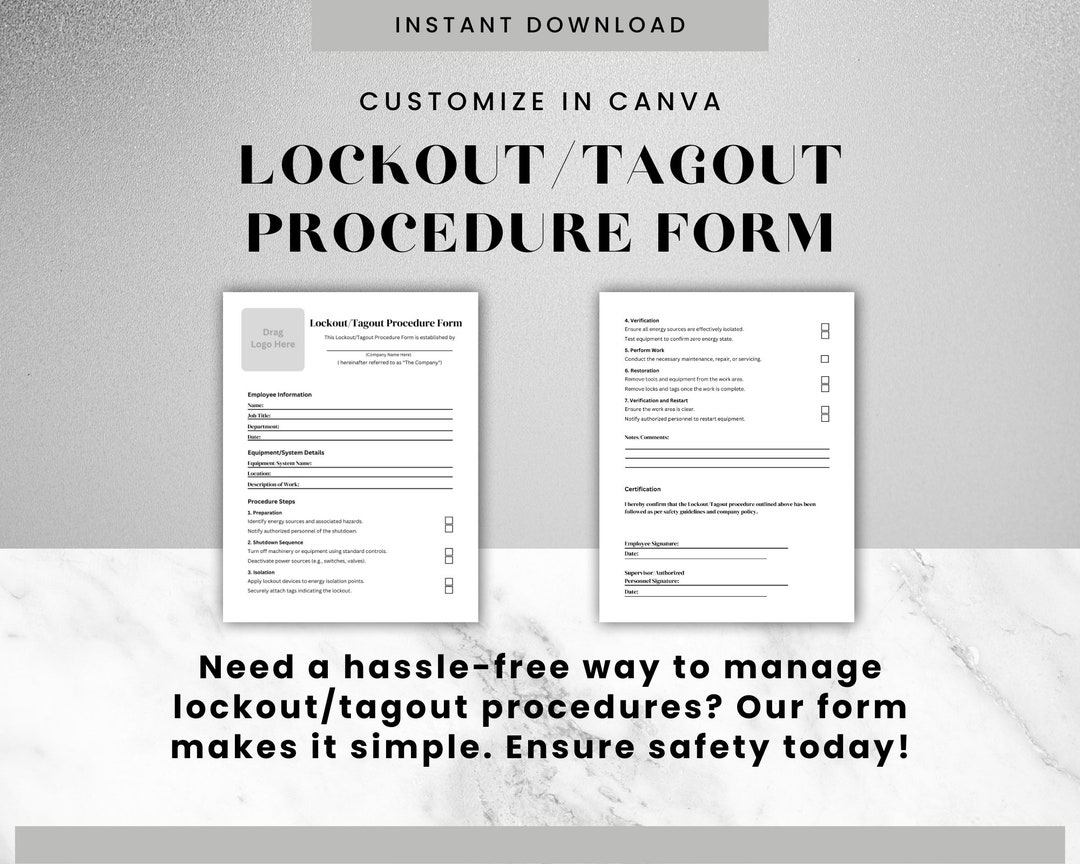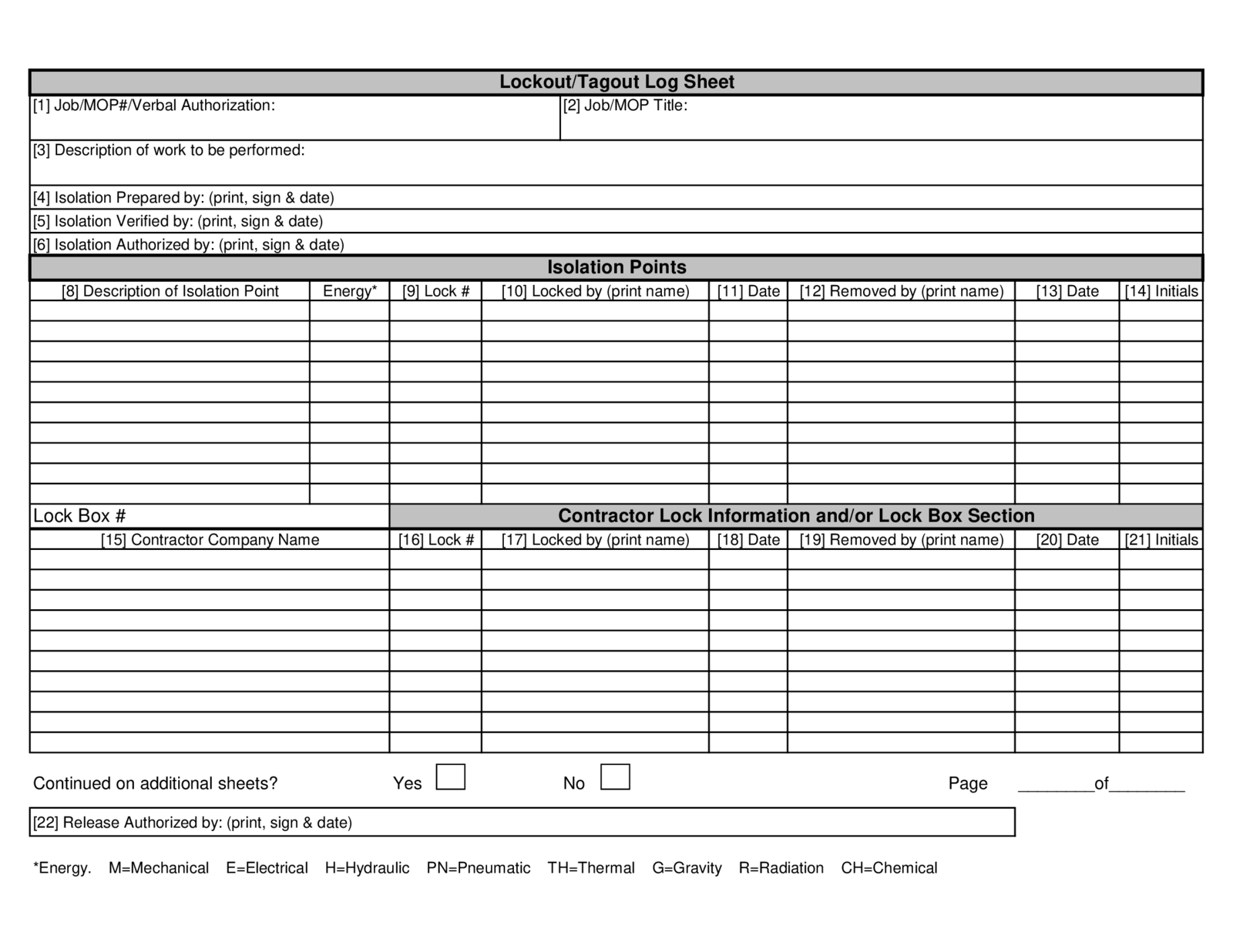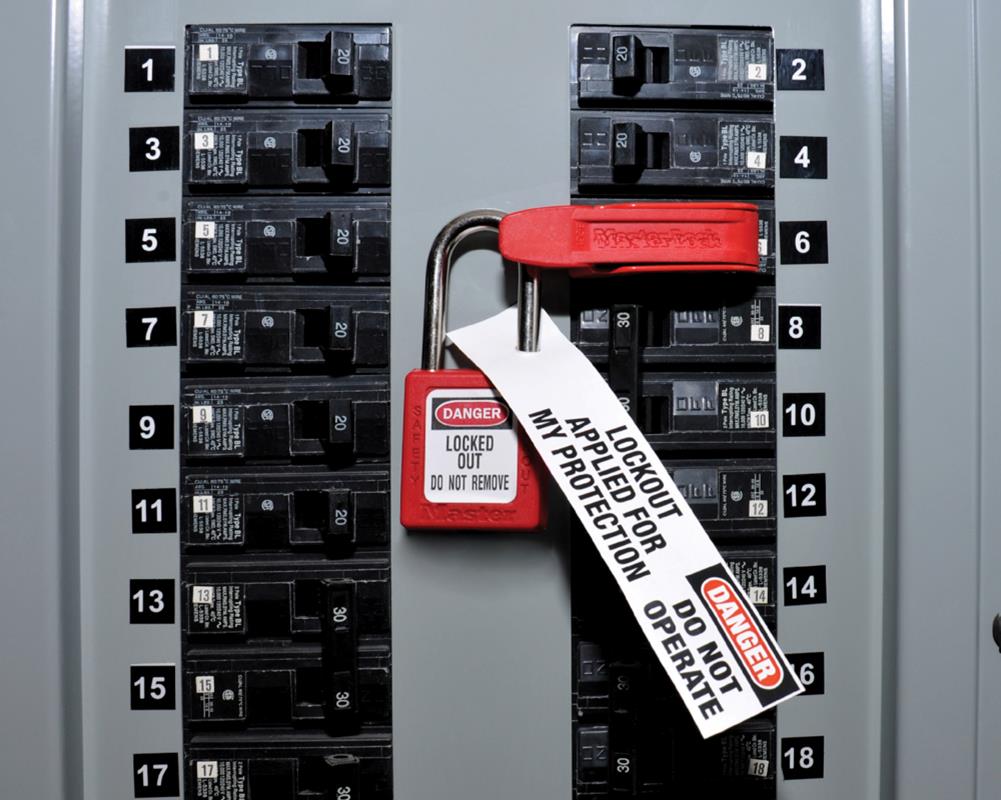
Every year, preventable electrical accidents occur because a simple lock wasn’t applied or a tag wasn’t read. Electrical panel lockout tagout (LOTO) isn’t paperwork—it’s a frontline defense against electrocution, arc flashes, and equipment damage. Yet, in facilities across industries, LOTO is treated as a box-ticking exercise rather than a life-preserving protocol.
When done correctly, electrical panel lockout tagout stops hazardous energy before it can harm. But mistakes—like using shared locks, skipping verification, or mislabeling panels—are common and dangerous. This guide cuts through the confusion with field-tested procedures, real-world examples, and hard lessons learned from near-misses.
Why Electrical Panel LOTO Is Non-Negotiable
Electrical panels are high-risk zones. Even de-energized circuits can become live due to backfeeding, capacitor discharge, or human error. According to OSHA, failure to control hazardous energy accounts for nearly 10% of all serious accidents in manufacturing.
Lockout tagout isn’t optional. It’s mandated under OSHA 29 CFR 1910.147 and applies whenever employees service or maintain equipment. The core principle: isolate energy sources, lock them in the “off” position, and tag them with clear warnings.
Real-World Example: The Cost of Skipping LOTO In 2022, a maintenance technician in a Midwest plant was called to troubleshoot a tripped breaker. The panel wasn’t locked out—just turned off. A shift supervisor, unaware of the work, reset the breaker from the control room. The resulting arc flash caused second-degree burns and a six-month shutdown for safety reviews.
This wasn’t a freak accident. It was a failure of procedure.
The 6-Step Electrical Panel Lockout Tagout Procedure
Effective LOTO isn’t one action—it’s a sequence. Deviate at any point, and risk increases.
1. Notify Affected Personnel
Before touching a panel, alert everyone who uses equipment powered by it. Unexpected shutdowns can disrupt production or safety systems. A quick announcement prevents confusion and ensures cooperation.
Pro Tip: Use a logbook or digital system to record notifications. This creates an audit trail and confirms communication.
2. Shut Down Equipment Properly Turn off machines via normal controls—not just the panel. This prevents surge damage and ensures a clean shutdown.
Example: On a conveyor line, stop the drive belt first, then cut power at the panel. Skipping this step can damage motors or freeze control software.
3. Isolate the Energy Source Locate the correct disconnect switch or circuit breaker. In complex panels, multiple breakers may feed one machine. Use single-line diagrams to verify.
Common mistake: Locking out a breaker that looks right but doesn’t fully isolate the circuit. Always verify with a schematic.
4. Apply Lockout Devices and Tags Each authorized employee applies their own lock and tag. Group locks are acceptable only if a primary lockbox system is used.
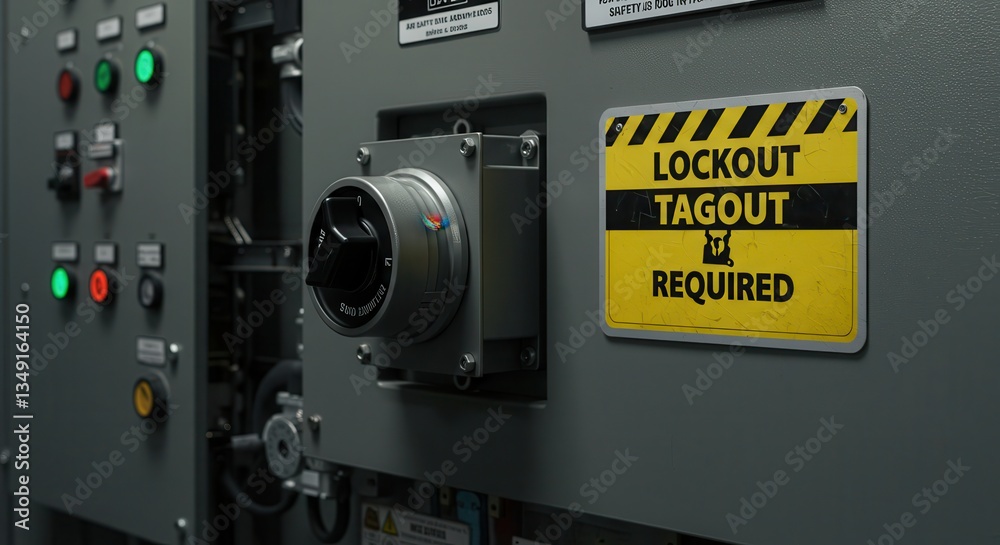
Use durable, standardized devices: - Hasp locks for multi-worker jobs - Breaker lockouts that fit specific models - Tags with space for name, date, reason, and contact info
Critical Rule: One person, one lock. No shared keys. No “I’ll just borrow Joe’s lock” shortcuts.
5. Control Stored Energy Electrical panels can store energy in capacitors, batteries, or feedback loops. Even after disconnection, residual charge remains.
Steps: - Discharge capacitors using insulated tools - Verify de-energization with a multimeter rated for the voltage - Ground high-voltage circuits if required
Neglecting stored energy is among the top causes of LOTO-related injuries.
6. Verify Zero Energy State Test before touch. Use a voltage tester on each phase conductor. Confirm the tester works first on a known live circuit, then on the de-energized one.
This step is non-negotiable. If you can’t confirm zero energy, do not proceed.
Common LOTO Mistakes in Electrical Panels
Even experienced technicians make errors. These are the most dangerous:
Using Tags Without Locks Tags alone don’t physically prevent energizing. They’re warnings, not barriers. OSHA requires lockout unless tagout can provide equivalent protection—which is rare in electrical systems.
Locking Out the Wrong Breaker Panels are often mislabeled or undocumented. A label reading “HVAC” might actually feed a pump. Always trace circuits or use circuit tracers before locking out.
Skipping Group LOTO Protocols
When three people work on one panel, each must apply their lock. A single lock with multiple tagouts violates OSHA standards.
Leaving Locks Unattended Lost keys, forgotten locks, or workers who go home early create hazards. Implement a lock removal policy: only the person who applied it can remove it—unless emergency procedures are followed.
Assuming “Off” Means “Safe” A breaker in the off position isn’t isolated. It can be flipped back on accidentally or by remote control. Physical lockout is the only reliable method.
Best Lockout Devices for Electrical Panels Using the right hardware matters. Generic padlocks won’t fit breaker handles. Flimsy tags tear or fade. Here are reliable solutions:
| Device Type | Use Case | Top Picks |
|---|---|---|
| Breaker Lockout (Snap-On) | Individual circuit breakers | Brady BLM1, Master Lock 4680D, Ideal 40-748 |
| Universal Circuit Lockout | Multiple breaker types | Grace Engineered PLS-3, Honeywell S0001 |
| Lockout Hasps | Group LOTO with multiple workers | 3M DBI-SALA LOHASP, Seton 96508 |
| Padlocks (Safety) | Personal locks, keyed differently | Assa Abloy Q-Lock, Supra C500 |
| Tagout Tags | Warning labels with write-on fields | Brady BMP61, Zoro 238797 |
Choose devices that: - Are non-conductive - Resist heat, moisture, and UV exposure - Accept employee-specific keys - Include tamper-resistant features
Workflow Tip: Keep a LOTO kit near each major panel. Include locks, tags, testers, and PPE. Saves time and increases compliance.
When Tagout Is Allowed (And When It’s Not)
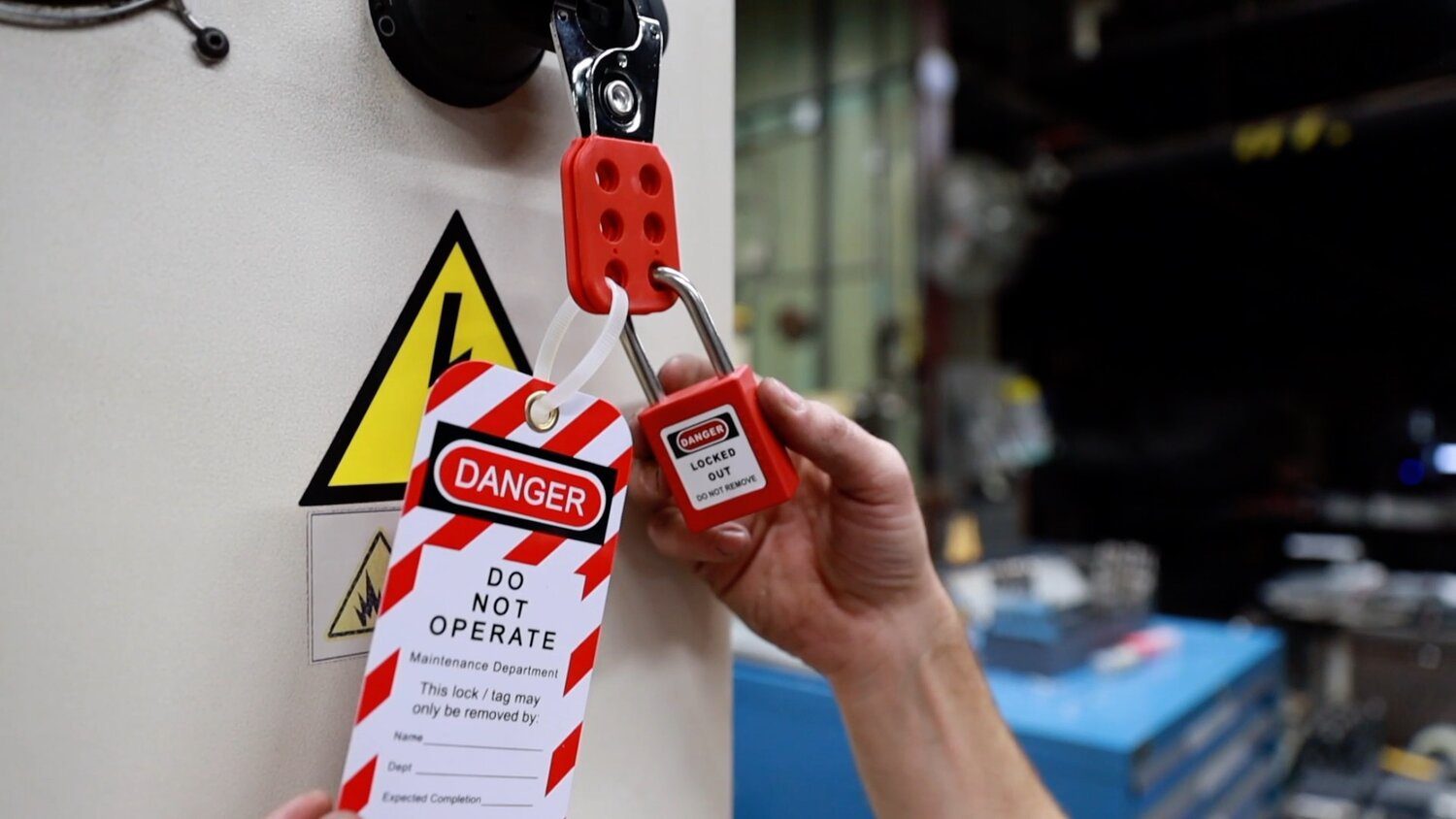
OSHA permits tagout instead of lockout only if: - The energy isolation device can’t be locked out - The tag provides equivalent protection - Additional safety measures are in place (e.g., extra PPE, continuous supervision)
But for electrical panels, lockout is almost always required. Tags can be removed, ignored, or fall off. A lock physically prevents operation.
Example: A fused disconnect with no padlock provision might allow tagout—but only if the fuse is removed and stored under control. The tag alone isn’t enough.
Bottom Line: If you can lock it, you must lock it.
Integrating LOTO Into Maintenance Workflows
LOTO shouldn’t slow work—it should enable it safely. Embed it in standard operating procedures.
Sample Workflow: Replacing a Motor Starter
- Supervisor assigns task and confirms LOTO training
- Technician reviews panel diagram and identifies correct breaker
- Notify production team of downtime
- Shut down motor via control panel
- Open electrical panel, verify circuit with tracer
- Apply personal lock and tag
- Test for zero energy
- Replace starter
- Remove lock only after panel is closed and area is clear
- Log completion in maintenance system
This isn’t bureaucracy—it’s clarity. Everyone knows who’s working, where, and when it’s safe to re-energize.
Pro Tip: Use LOTO logs to track recurring issues. If one panel is locked out weekly, it may need redesign.
Audit and Compliance: Beyond the Checklist
Annual LOTO audits are required. But don’t wait 12 months to find flaws.
Conduct monthly spot checks: - Are locks properly applied? - Are tags filled out completely? - Is stored energy controlled? - Are testers working and rated correctly?
Correct issues immediately. Document findings. Retrain teams if gaps appear.
OSHA fines for LOTO violations average $15,000 per incident. But the real cost is human injury.
Training: The Human Factor in Electrical Safety
No device replaces knowledge. Train all authorized employees on: - Energy isolation methods - Lock and tag application - Verification procedures - Emergency lock removal
Also train affected employees (those who operate but don’t service equipment) to recognize LOTO status and never remove a device.
Refresher training every 12 months—or immediately after an incident or procedure change.
Reality Check: A worker who doesn’t understand LOTO is a hazard, even with the best equipment.
Final Step: Make LOTO a Culture, Not a Chore
The most compliant sites don’t just follow LOTO—they live it. Supervisors model the behavior. Workers speak up when they see shortcuts. Locks are never left on, but never skipped.
Electrical panel lockout tagout isn’t about compliance. It’s about walking home unharmed.
Start tomorrow: - Audit one high-risk panel - Verify all locks are personal and in place - Test one circuit for zero energy - Talk to a technician about their LOTO experience
Small actions build a safer system. Do it right—every time.
FAQ
What should you look for in Electrical Panel Lockout Tagout Best Practices for Safety? Focus on relevance, practical value, and how well the solution matches real user intent.
Is Electrical Panel Lockout Tagout Best Practices for Safety suitable for beginners? That depends on the workflow, but a clear step-by-step approach usually makes it easier to start.
How do you compare options around Electrical Panel Lockout Tagout Best Practices for Safety? Compare features, trust signals, limitations, pricing, and ease of implementation.
What mistakes should you avoid? Avoid generic choices, weak validation, and decisions based only on marketing claims.
What is the next best step? Shortlist the most relevant options, validate them quickly, and refine from real-world results.